
Airport History
Nonstop for 100 YEARS see how far we've come since 1926
What can we say, time flies. For a century, Milwaukee Mitchell International Airport has been serving Milwaukee with nonstop flights, nonstop innovation, nonstop employment, and nonstop adventures. Through the decades, our commitment to our travelers and our team has helped us go further than anyone would have imagined when we began in 1926. With our official anniversary on October 5, 2026, we invite you to celebrate 100 years of service with us all year long.
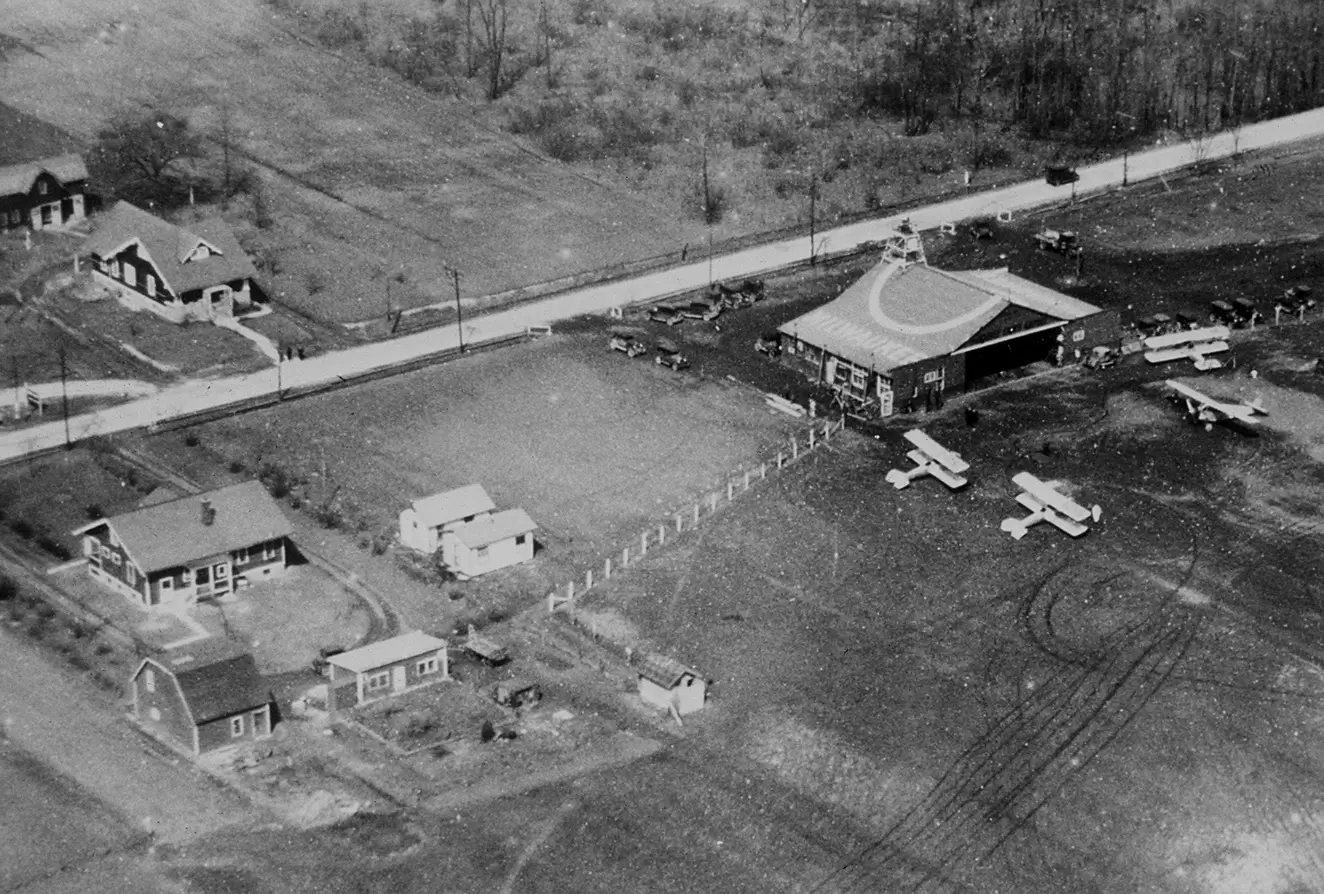
Hamilton Field

100 YEARS OF “WELCOME HOME”
For 100 years, we’ve been more than an Airport. We’ve been the place that takes you on once-in-a-lifetime vacations. The place that brings families back together. The place that takes you where you need to go. And the place that welcomes you home.
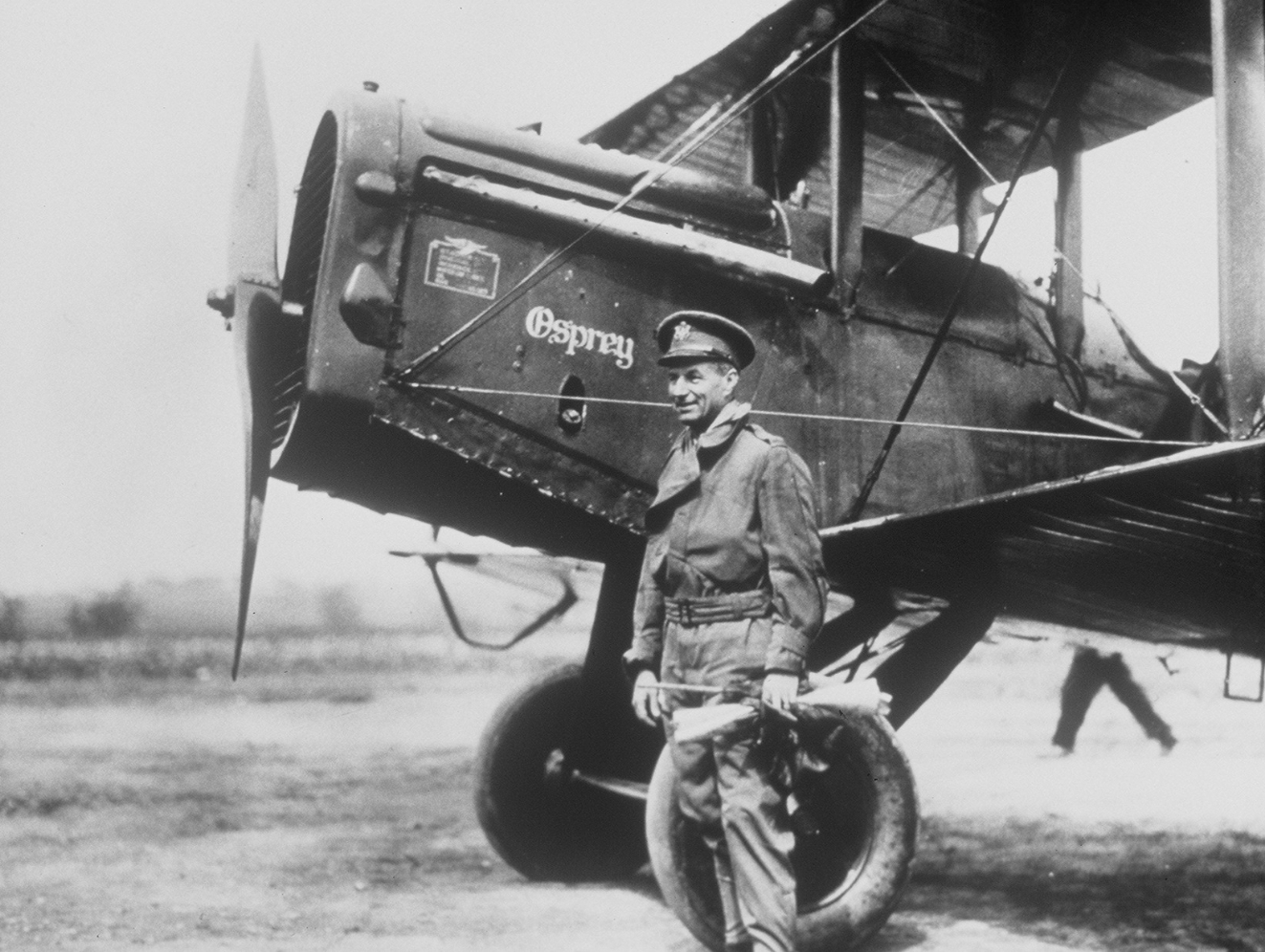
Brigadier General William “Billy” Mitchell, the Milwaukee Airport’s namesake

SEE HOW FAR WE’VE COME
From our first takeoff to today and every milestone in between, see the moments that helped shape our history.
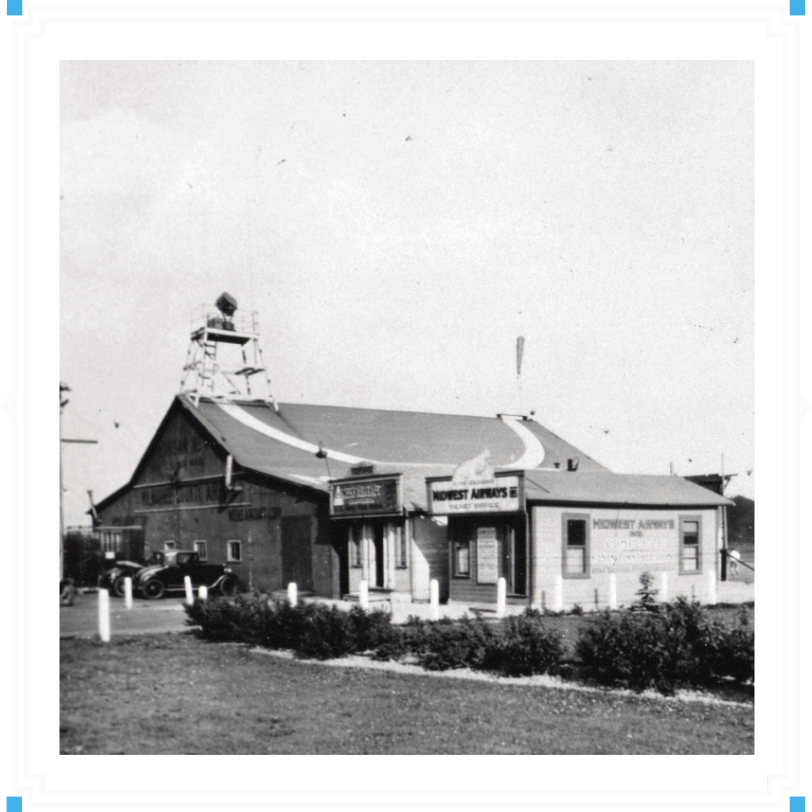
1920s
Oct. 5, 1926: Milwaukee County purchases Hamilton Airport, a private airfield owned by local entrepreneur and aviator Thomas F. Hamilton and renames it Milwaukee County Airport.
Aug. 20, 1927: Charles Lindbergh visits the airport during his travels celebrating his completion of the first transatlantic flight.
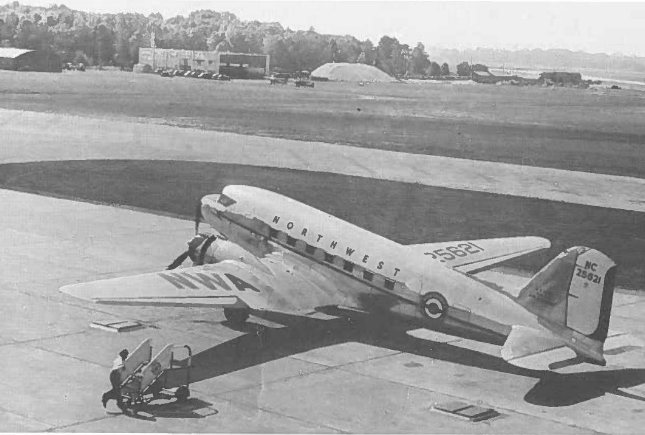
Jan. 5, 1928: Northwest Airways begins service from Milwaukee to Chicago and then the Twin Cities later that year.
1930s
1929-1938: Despite the Great Depression, commercial aviation grows quickly. To accommodate the growing demand, a new hangar that served as an operating base for Northwest Airlines is built in 1931. In 1937, Pennsylvania Central Airlines (later Capital Airlines) begins offering flights from Milwaukee to Michigan, Ohio, Pennsylvania and Washington, D.C.
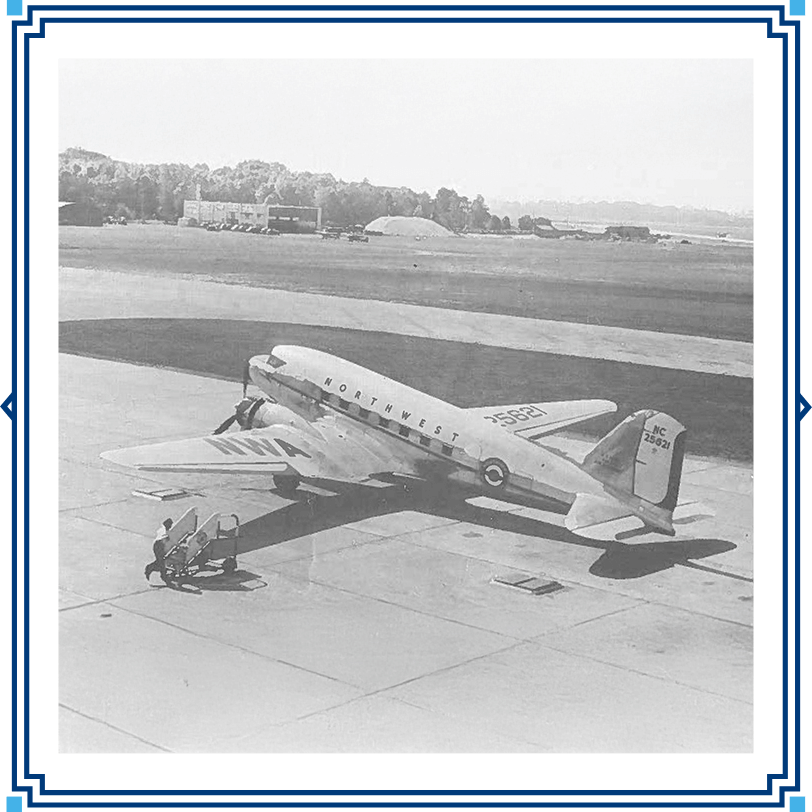
1940s
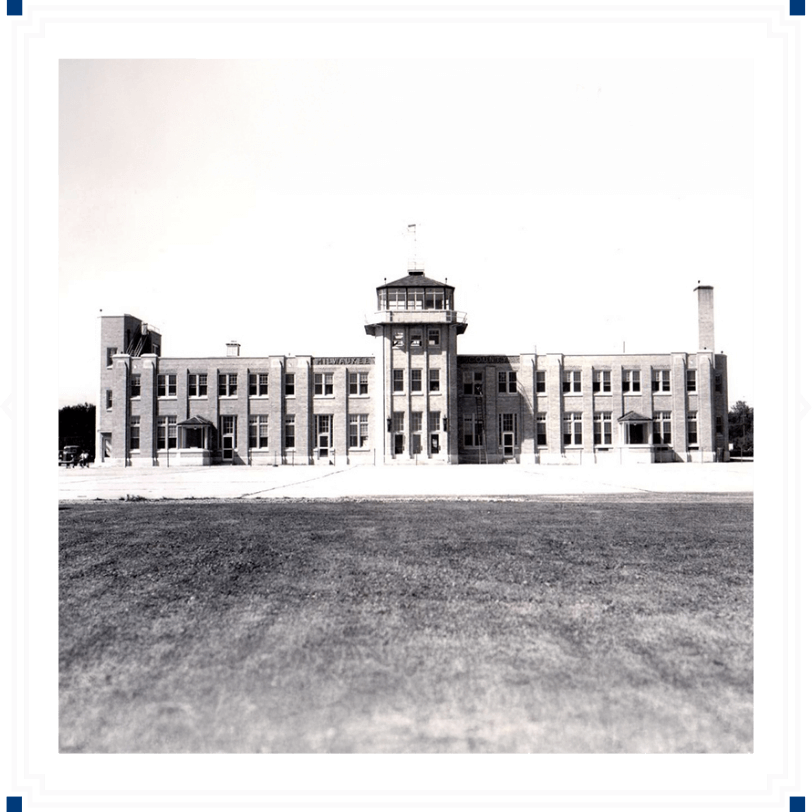
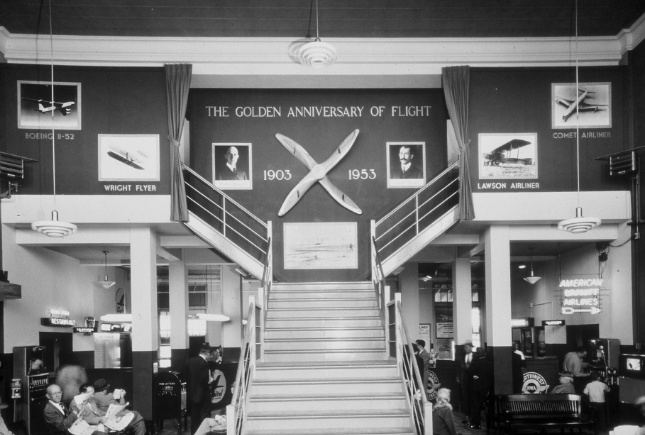
July 1, 1940: A new two-story passenger terminal building opens on Layton Avenue.
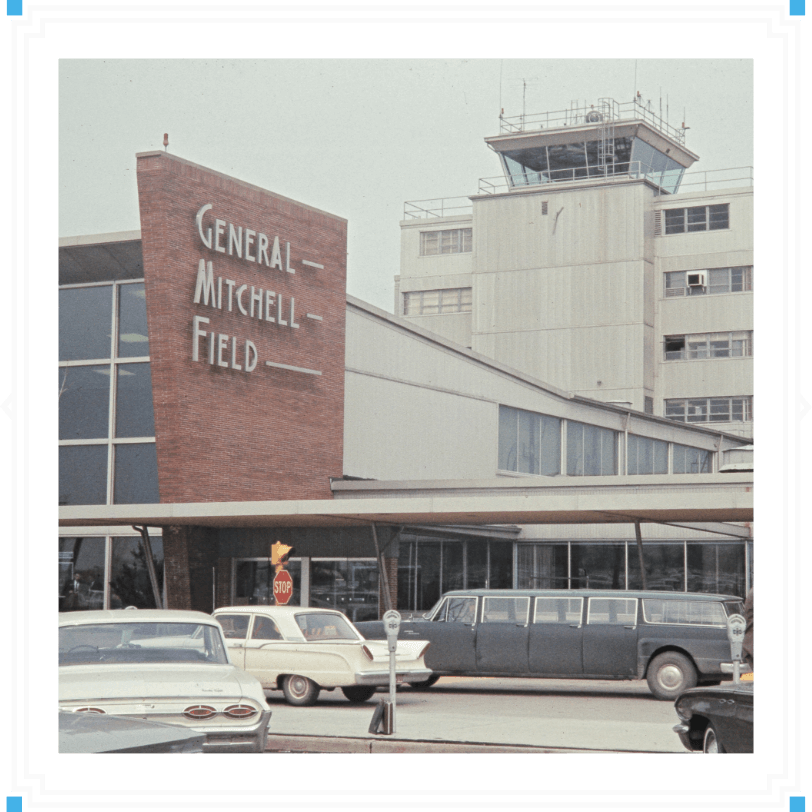
March 17, 1941: The Airport is renamed General Mitchell Field after Brig. Gen. William “Billy” Mitchell (1879-1936), an Army officer with Milwaukee roots who led air divisions in World War I and had a major role in the creation of the United States Air Force.
Jan. 4, 1944: The U.S. War Department leases part of the airport to hold over 3,000 German prisoners of war monitored by 250 enlisted personnel at what was called Camp Billy Mitchell. The camp remains until the last 12 prisoners are transferred on April 1, 1946.
Aug. 2, 1947: The 128th Air Refueling Wing is allocated to the Wisconsin Air National Guard, establishing a base at the Airport, where the unit remains today.
1950s
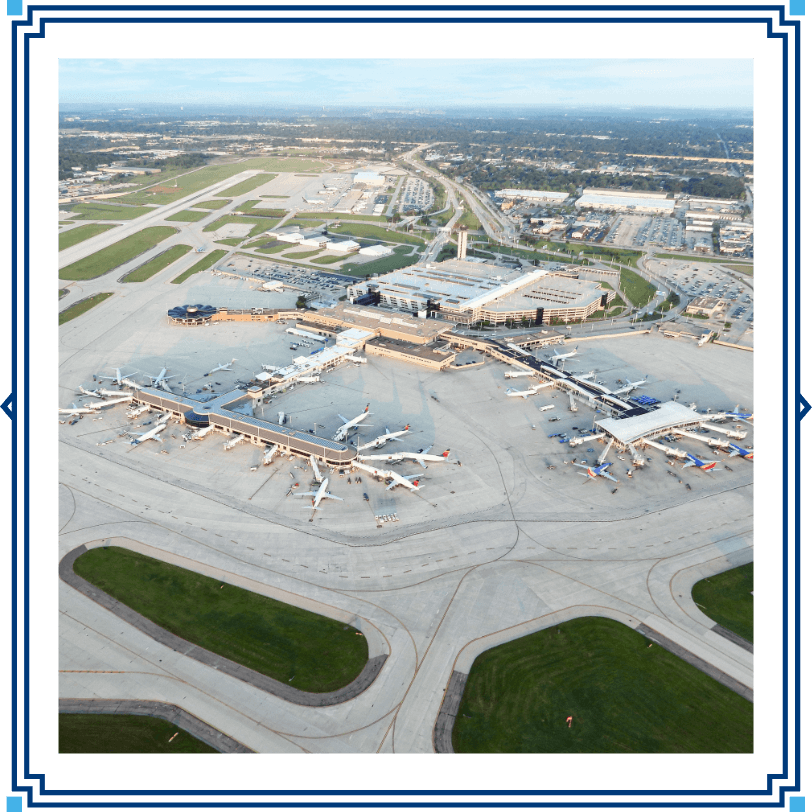
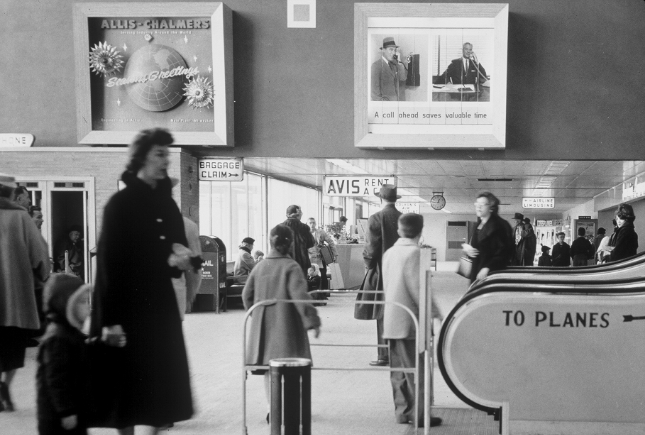
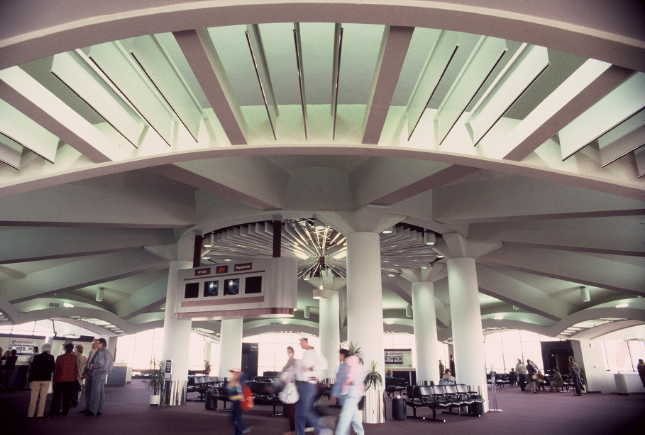
July 19, 1955: The passenger terminal moves to Howell Avenue with the completion of a three-concourse, two-level structure with 23 gates. The $3.2 million project forms the core of the Airport’s present terminal complex.
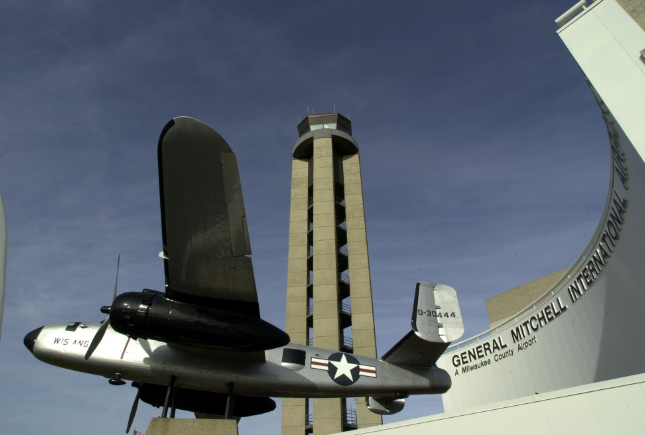
1959: A Mitchell B-25 bomber is restored and donated by the Wisconsin Air National Guard and the Mitchell Field Rotary Club. The plane, named after Gen. Mitchell, is still on display at the Airport.
1960s
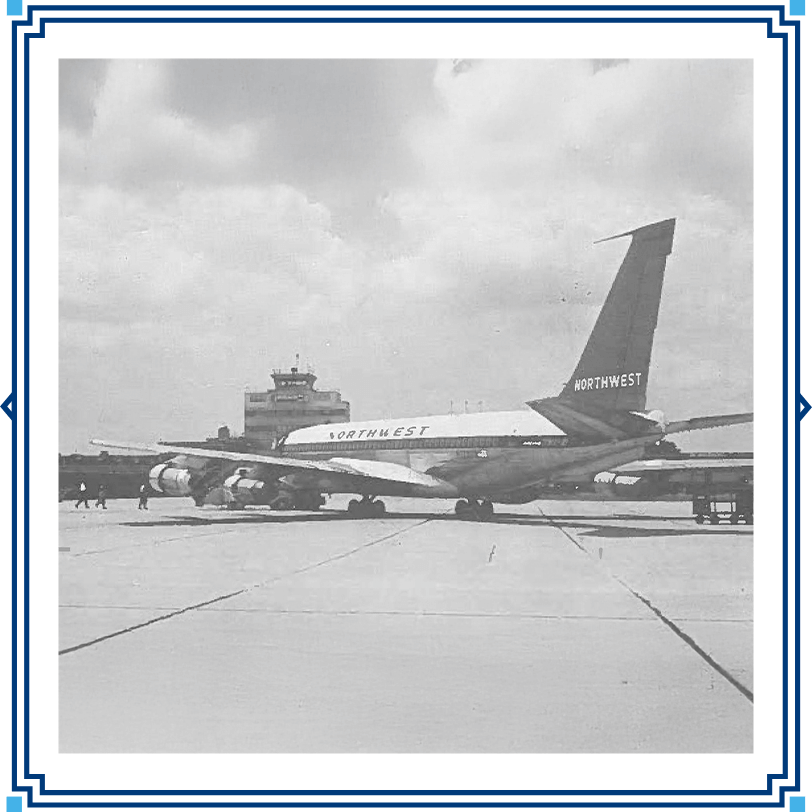
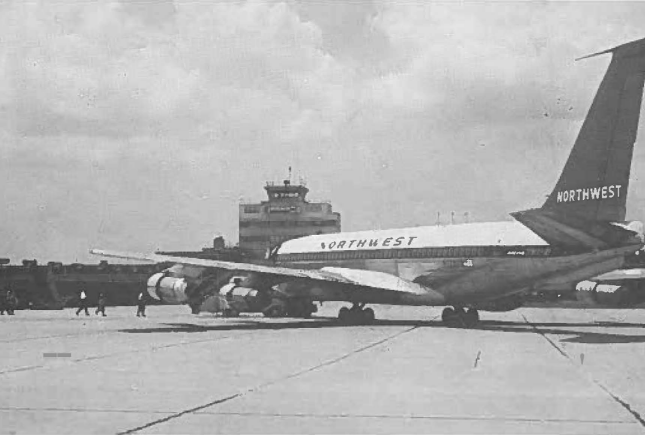
July 1961: Milwaukee enters the jet age with Northwest’s Boeing 720B aircraft.
Sept. 4, 1964: The Beatles touch down at Mitchell for their only Wisconsin appearance. Hundreds of fans arrive to catch a glimpse of them, but the police aren’t in the mood to deal with Beatle-mania, so they arrange to have the plane land away from the disappointed crowd and shuttle the Fab Four out a back exit. Paul McCartney calls it “a dirty trick” at a press conference.
1966: Mitchell accommodates nearly 1.1 million travelers, the first time it serves over a million passengers in a single year.
1970s
1970s: A forerunner to the Milwaukee Air & Water Show, the Berndt Buick Milwaukee Air Show, organized by car dealership owner Lee Berndt, takes place at Mitchell for several years. Berndt also founded the International Council of Air Shows.
1973-1979: Milwaukee sees a steady growth of passenger traffic during this period, exceeding two million total passengers for the first time in 1973, and surpassing three million passengers for the first time in 1979.
1976: The Airport’s International Arrivals Building (IAB) is completed offering the Airport’s first permanent facility for international operations. The new building has the capability of processing up to 300 passengers per hour.
1980s
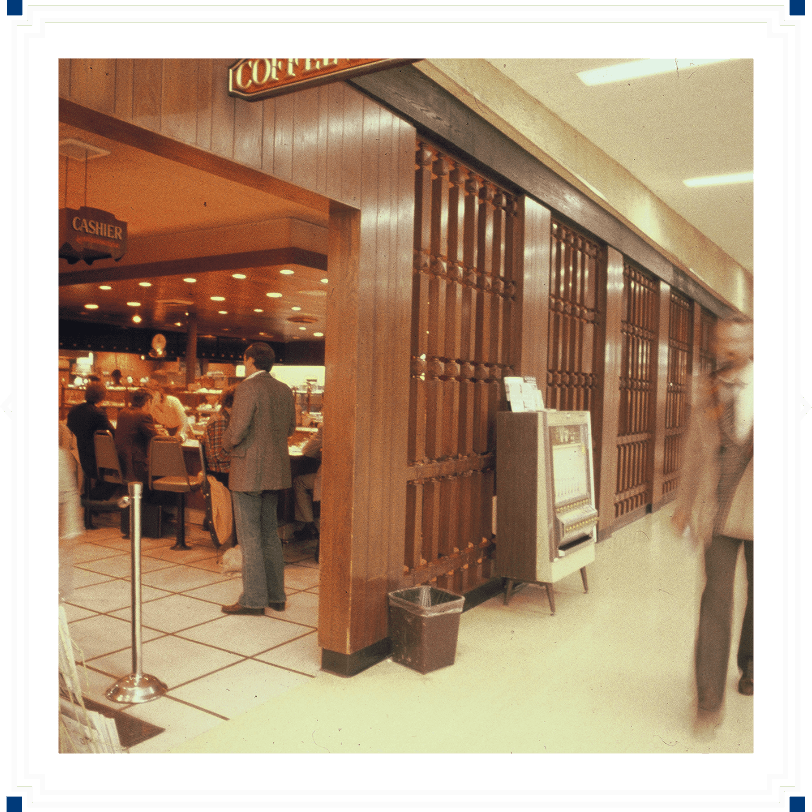
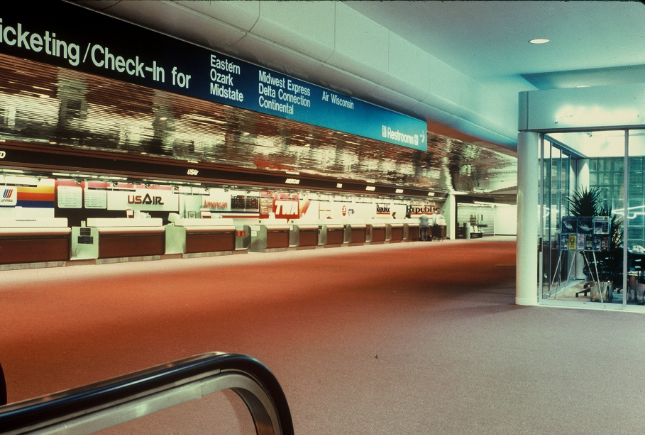
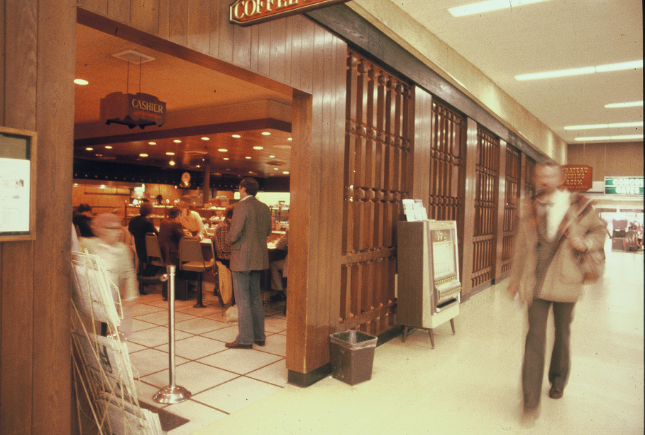
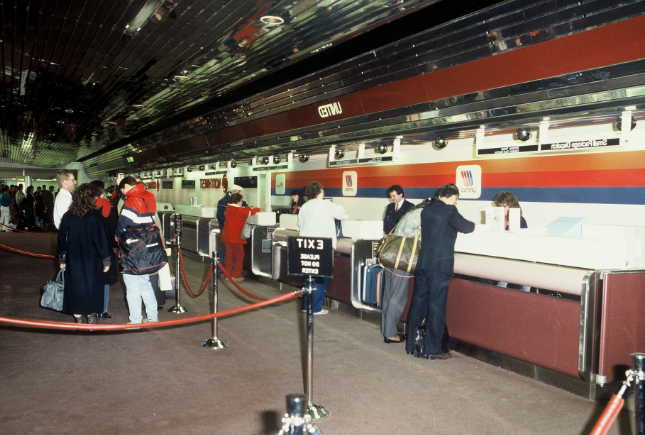
September 7, 1985: Grand opening for the expanded and renovated main terminal.
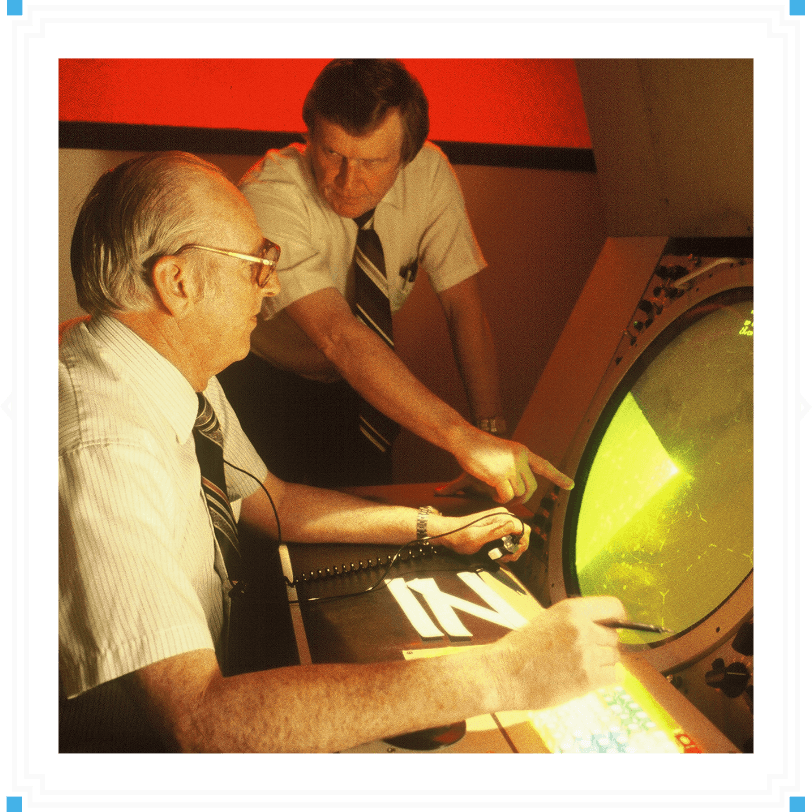
June 19, 1986: Airport is renamed General Mitchell International Airport. A new FAA Air Traffic Control tower opens the following month.
1988: The Mitchell Gallery of Flight opens.
Summer 1988: Cleveland-set baseball comedy Major League is filmed in Milwaukee, including a scene at the Airport, when the players arrive for spring training.
1990s
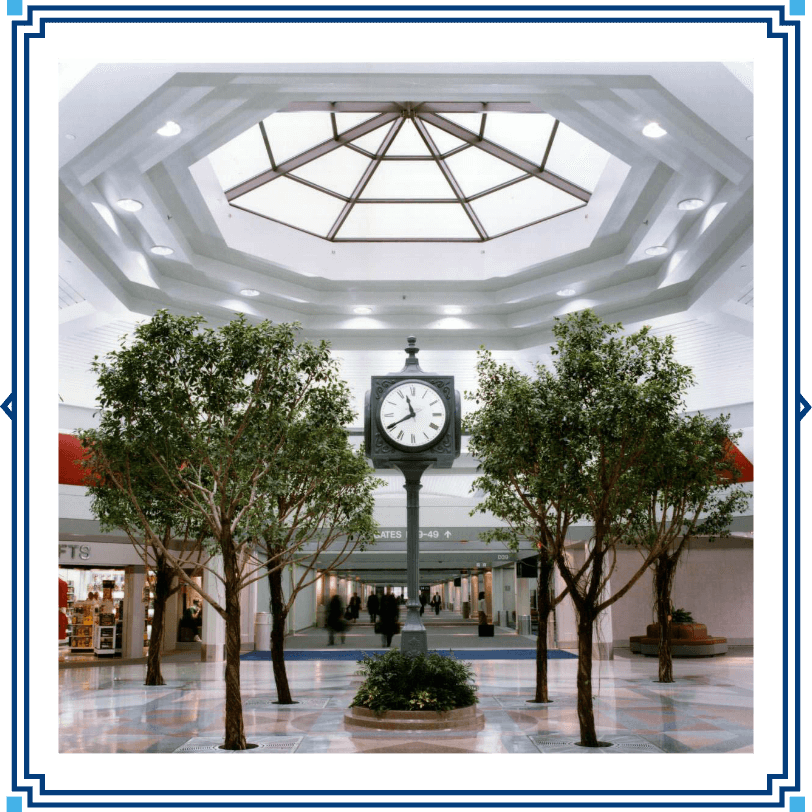
Dec. 14, 1990: The “hammerhead” section of Concourse D with 16 additional gates is added, along with a 2,250-space parking structure addition.
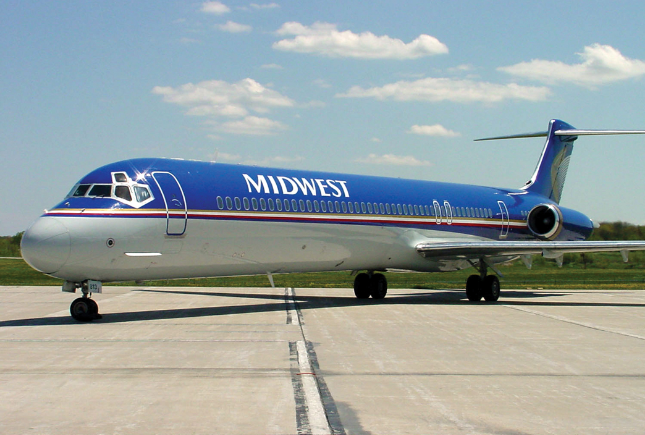
1998: Midwest Express Airlines, for which Milwaukee served as its hub airport, is recognized as the #1 U.S. Airline by Condé Nast Traveler Magazine.
July 30, 1999: The U.S. Post Office commemorates Gen. Mitchell with a postage stamp.
2000s
Jan. 18, 2005: The Airport’s Amtrak passenger rail station opens, making MKE one of just four airports in the country to have Amtrak service
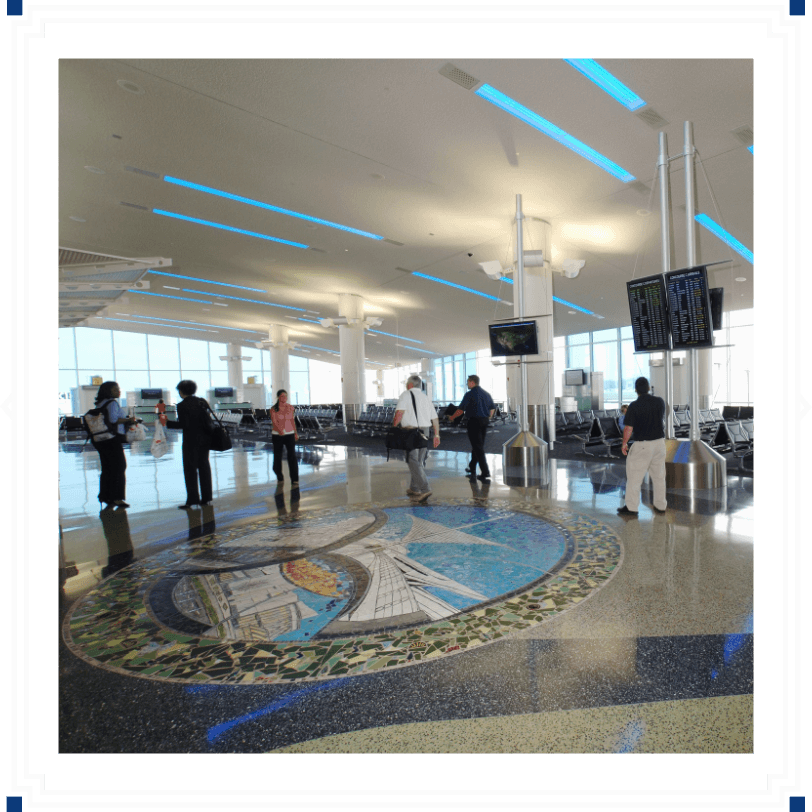
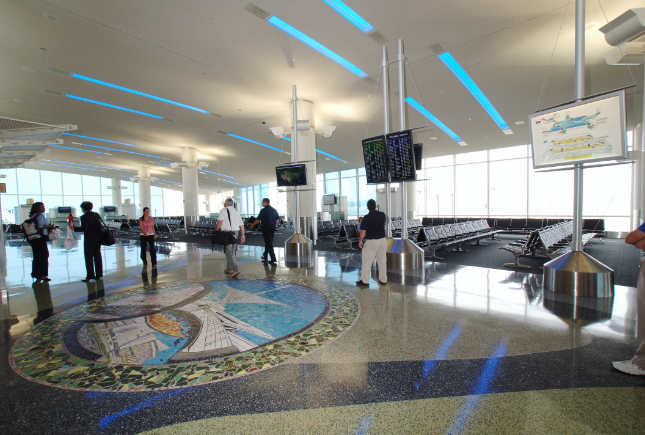
July 2007: Concourse C is expanded with an addition of eight new gates.
2010s
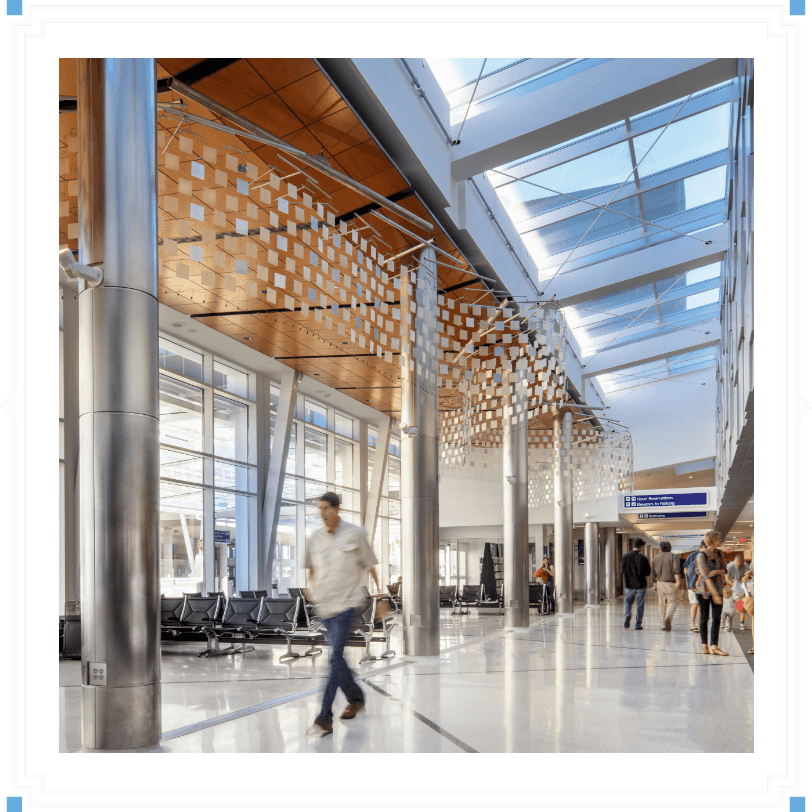
June 2015: A complete renovation of MKE’s Baggage Claim facility is completed.
Feb. 2019: The Airport is renamed Milwaukee Mitchell International Airport.
2020s
2021-2022: The Airport is twice recognized as one of the best airports in the world by Airports Council International.
Feb. 27, 2025: Ground is broken on a new 337,000-square-foot air cargo facility.
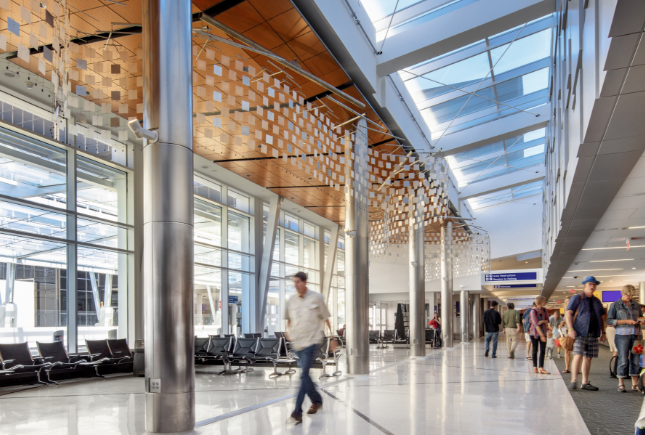
Sept. 16, 2025: MKE kicks off redevelopment of Concourse E, which will include two flexible-use gates capable of handling both domestic and international arrivals and departures.
Oct. 5, 2026: MKE Airport celebrates 100 years of connecting Milwaukee to the world.
PUTTING MILWAUKEE ON THE MAP
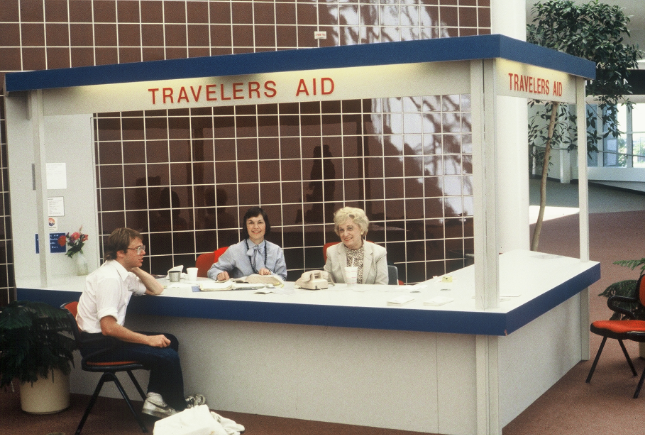
See how MKE has changed over the years, growing into the hometown airport you know and love today.



More to the Story
General William Mitchell (1879-1936)
The man behind the name, General William "Billy" Mitchell, for whom Milwaukee County's largest airport is named, was born to a prominent Milwaukee family on December 29, 1879. His father, John Lendrum Mitchell, eventually became a United States Senator for Wisconsin, and his grandfather, Alexander Mitchell, was a millionaire Milwaukee banker and railroad tycoon. When the Spanish-American War broke out in 1898, Mitchell returned to Milwaukee from what is now George Washington University to enlist. He rose quickly through the ranks of the Signal Corps, and in 1912 he was appointed to the General Staff, the youngest person at that time to hold the position.
In 1916, with Europe on the verge of World War I, Mitchell recognized the increasing importance of aviation in war and learned to fly at his own expense. He was promoted to Major and named head of the Army's aviation section, then sent to Europe, where he became a leader in establishing a United States aviation force. As a Colonel and Chief of Air Service of the First Army, he commanded more than 1,500 British, French and American aircraft units at the Battle of St. Mihiel, the largest air force assembled to that date. He was then promoted to Brigadier General and made Chief of Air Service of the Group of Armies, the top aviation command.
Mitchell returned to the United States in 1919 as Director of Military Aeronautics and began promoting aviation, planning a strong air force and supporting the aircraft industry to put commercial aviation on a sound footing. His claims of air superiority over the sea led to a confrontation with the U.S. Navy, and in July 1921, during a test bombing of German warships, he proved his point when his men sank a battleship. His forceful promotion of his ideas led to a clash with traditional forces. In September 1925 he charged the administration with neglecting the national defense, and he was tried by court-martial and found guilty of insubordination. He resigned from the service on February 1, 1926, but carried his case to the people and continued his work until his death in February 1936. On March 17, 1941, the Milwaukee County Board of Supervisors voted to name the airport in his honor.
Military Aviation History
The 128th Air Refueling Wing of the Wisconsin Air National Guard is located on the East Ramp of Milwaukee Mitchell International Airport. The 128th transfers fuel to United States military and allied aircraft, provides aero-medical evacuation, and airlifts personnel and equipment to strategic locations. In service since 1947, the wing has served missions ranging from natural disasters to the Korean War, Operation Desert Storm, Operation Restore Hope and Operation Deny Flight. It also serves the communities of Wisconsin and includes a 24/7 National Guard Reaction Force.
From the 1950s until 2008, the airport's South Ramp was home to the 440th Airlift Wing of the Air Force Reserve. The 440th was deployed on strategic missions around the world, including the Cuban Missile Crisis, Operation Desert Shield, Operation Desert Storm, Operation Iraqi Freedom and Operation Enduring Freedom, as well as relief missions during national emergencies and natural disasters. In 2008 the base was closed as part of the federal Base Realignment and Closure Act and moved to Pope Air Force Base in North Carolina. Milwaukee County's MKE Regional Business Park now stands in its place.
Visit the Mitchell Gallery of Flight
For more on MKE's history, visit the Mitchell Gallery of Flight, a free nonprofit aviation museum located pre-security in the main terminal. The museum is open 24 hours a day, seven days a week.
MEDIA KITS
Here’s your go-to resource for assets, information and more that you may need to help share our story. Please head to our media site for additional assets.


